
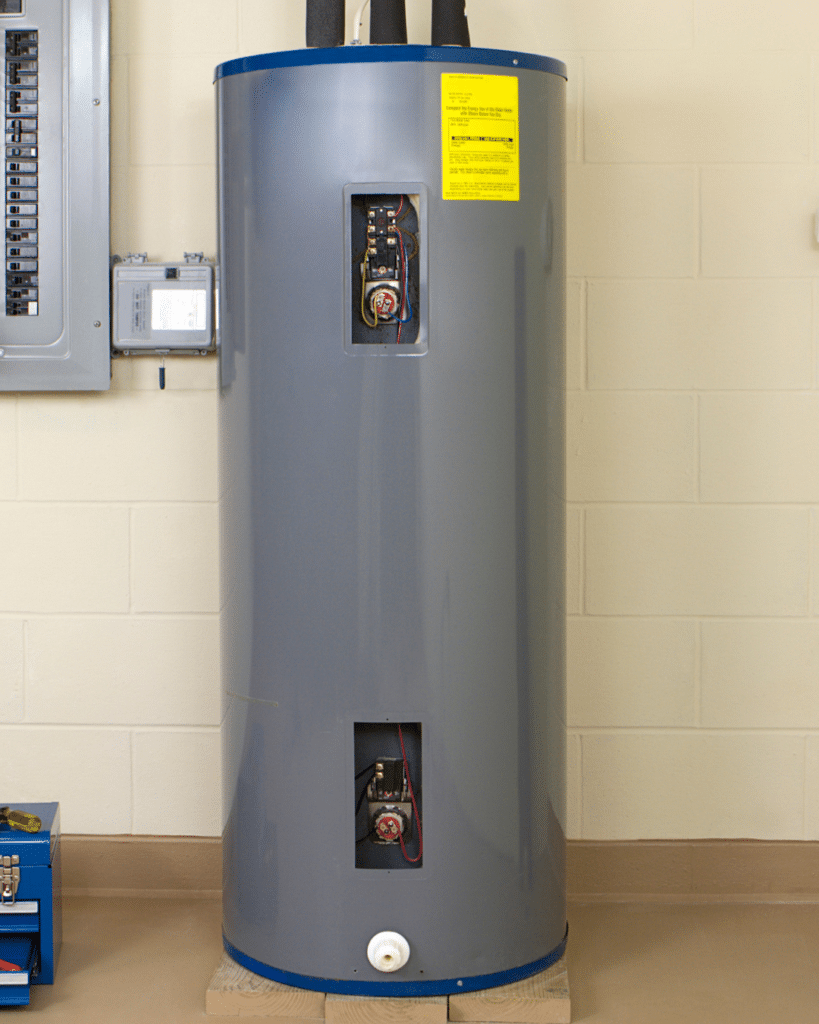
A failing water heater can quickly disrupt your daily routine—cold showers, inconsistent temperatures, and rising utility bills are all signs that something isn’t right. But when problems start, many homeowners face the same question: Should you repair your water heater or replace it entirely?
At Defense Plumbing, we provide expert Water Heater Repair in Lakewood, CO, Denver, and Littleton, CO, helping homeowners make informed decisions based on performance, cost, and long-term reliability. Here’s how to determine the right path for your situation.
Start with the Age of Your Water Heater
One of the most important factors in deciding whether to repair or replace your system is its age.
- Traditional tank water heaters typically last 8–12 years
- Tankless water heaters can last 15–20 years or more with proper maintenance
If your system is approaching or beyond these ranges, repairs may only offer a short-term fix. Older units are more prone to breakdowns and efficiency loss, making replacement a more practical investment.
The “50% Rule” for Repairs vs. Replacement
A common guideline in the plumbing industry is the 50% rule:
If the cost of repair is more than 50% of the cost of a new water heater, replacement is usually the better option.
For example:
- Minor repairs (like replacing a thermostat or valve) may cost a few hundred dollars
- A full replacement may cost significantly more upfront, but offers long-term reliability
When repair costs start adding up, continuing to fix an aging system can become more expensive than upgrading to a new, efficient unit.
When Does Repairing Your Water Heater Make Sense?
In many cases, repairing your water heater is the right decision—especially if the issue is minor and the unit is relatively new.
Repair is typically the best option if:
1. The Unit Is Less Than 8 Years Old
Newer systems often have many years of life left, and repairs can restore full functionality.
2. You’re Experiencing Inconsistent Temperatures
This may be caused by a faulty thermostat or heating element—both of which are usually repairable.
3. You Hear Strange Noises
Rumbling or popping sounds often indicate sediment buildup inside the tank. A professional flush can resolve the issue.
4. There Are Minor Leaks
Leaks from fittings, valves, or connections can often be repaired without replacing the entire unit.
5. Gas System Issues (Pilot Light or Thermocouple)
Gas water heater components like pilot lights or thermocouples are typically fixable.
When Is It Time to Replace Your Water Heater?
Some problems indicate that repair is no longer a viable option.
Replacement is usually necessary if:
1. The Tank Itself Is Leaking
A leaking tank cannot be repaired. This is a clear sign the unit has failed internally.
2. Your Water Heater Is 10–12+ Years Old
Even if it’s still functioning, older systems are more likely to fail unexpectedly.
3. You Notice Rust-Colored Water
Discolored hot water can indicate internal corrosion, especially if it only appears when using hot water.
4. You’re Dealing with Frequent Breakdowns
Multiple service calls in a short period often signal that the system is nearing the end of its lifespan.
5. Your Energy Bills Are Increasing
Older units lose efficiency over time, requiring more energy to heat water.
Repair vs. Replacement: A Quick Comparison
| Situation | Recommended Action |
| Unit under 8 years old | Repair |
| Minor component failure | Repair |
| Sediment buildup | Repair (flush system) |
| Tank leaking | Replace |
| Rusty hot water | Replace |
| Frequent repairs needed | Replace |
| Unit over 10–12 years old | Replace |
If replacement is the right choice, upgrading your system can provide several advantages:
- Improved energy efficiency
- Lower monthly utility costs
- More consistent hot water supply
- Reduced risk of unexpected breakdowns
- Access to newer technologies (tankless or hybrid systems)
Modern systems are designed to handle Colorado’s cold groundwater and varying household demands more effectively than older units.
Why Professional Evaluation Matters?
Every home is different, and the right decision depends on your system, usage, and long-term goals. A professional plumber can:
- Inspect your water heater thoroughly
- Identify the root cause of the issue
- Provide clear repair vs. replacement recommendations
- Ensure proper installation if a new system is needed
At Defense Plumbing, we prioritize transparency—so you can make the best decision without pressure or guesswork.
FAQs: Water Heater Repair vs. Replacement
1. How do I know if my water heater is failing?
Common signs include inconsistent temperatures, strange noises, rusty water, leaks, and rising energy bills.
2. Is it worth repairing an older water heater?
If the unit is over 10 years old, replacement is often more cost-effective than repeated repairs.
3. How long does a water heater replacement take?
Most installations can be completed within a few hours, depending on the system and setup.
4. Can regular maintenance extend my water heater’s life?
Yes. Annual flushing and inspections can help reduce sediment buildup and improve efficiency.
5. Should I upgrade to a tankless water heater?
Tankless systems offer longer lifespans and on-demand hot water, but the best choice depends on your household size and budget.
Get Expert Help with Your Water Heater
If your water heater isn’t performing like it should, don’t wait for a complete failure. Whether you need a quick repair or a full system upgrade, Defense Plumbing is here to help.
We provide trusted Water Heater Repair in Lakewood, CO, and Water Heater Installation in Denver, CO, delivering reliable solutions tailored to your home.
Contact Defense Plumbing today to schedule an inspection and get expert guidance on whether repair or replacement is the right choice for your water heater.