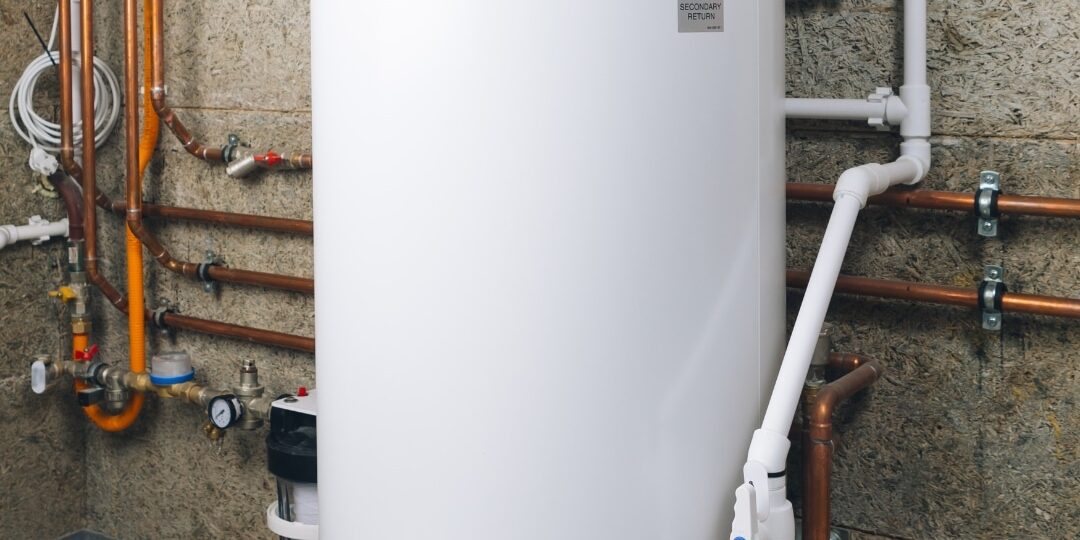
Rust-colored water coming from your hot water tap isn’t just unsightly—it’s often a sign that something is going wrong with your plumbing system. In most cases, the issue originates from your water heater, and ignoring it could lead to much bigger problems like leaks, corrosion, or full system failure.
Here’s what you need to know if you’re experiencing rust-tinted water in your Lakewood, CO home, and what steps you should take next.
Why Is My Hot Water Rust-Colored?
Rust-colored or brown water usually indicates corrosion, sediment buildup, or both. This is a common issue in aging water heaters—especially in areas like Lakewood, where hard water can accelerate mineral accumulation inside the tank.
There are two main causes:
Sediment Buildup
Over time, minerals like iron, calcium, and magnesium settle at the bottom of your tank. When stirred up (from high usage or pressure changes), this sediment can turn your water cloudy or rusty.
Tank Corrosion
If your unit is nearing the end of its lifespan (usually 8–12 years for tank models), internal components like the anode rod may have worn out. Once this happens, rust begins forming on the inside of the tank, and the discoloration becomes a clear sign that your heater could be failing.
What to Do First
1. Run the Hot Water
Turn on the nearest hot water faucet to your heater and let it run for several minutes. If the rust clears out, it may have been minor sediment that flushed out naturally.
2. Check Other Faucets
Run hot water from other faucets around your home. If rust is present in multiple fixtures, the problem is likely isolated to your hot water system—not your main water supply.
3. Monitor for Recurrence
If the rust-colored water returns quickly after clearing, it’s a sign of an ongoing issue, such as tank corrosion.
4. Inspect Around the Tank
Look for any puddles, drips, or rust stains around the base of the water heater. If visible rust or moisture is present, it’s time to call a professional plumber in Lakewood, CO.
Can Rust-Colored Water Be Fixed?
If the cause is sediment buildup, a professional plumber can flush the tank, inspect the anode rod, and restore performance. However, if the tank is corroded internally, the safest and most cost-effective solution is a new water heater installation.
Letting the issue go unchecked can lead to:
- Leaks and water damage
- Total heater failure
- Contaminated hot water
- Increased energy bills due to inefficiency
When Should You Call a Plumber?
If you notice any of the following, don’t wait:
- Rusty water continues for more than a day
- You hear popping or rumbling from the tank
- You see corrosion on fittings or at the base of the unit
- Your water smells metallic or musty
- Your hot water supply has dropped or fluctuates in temperature
A licensed plumber will perform a full system inspection, test the water pressure, check for corrosion, and recommend repair or replacement options based on the condition of your system.
Why Choose Defense Plumbing in Lakewood, CO?
At Defense Plumbing, we offer fast, accurate, and affordable water heater repair services in Lakewood, CO, and surrounding areas. Whether your issue is minor sediment buildup or a failing tank, our certified technicians will diagnose the problem and provide a long-term solution.
We service all types of systems, including:
- Traditional tank water heaters
- Tankless models
- Gas and electric units
FAQs: Rust-Colored Water & Water Heaters
1. Is rust-colored water dangerous?
It’s not typically harmful to your health, but it may indicate corrosion that can affect your water heater and plumbing system’s integrity.
2. Will flushing my water heater remove the rust?
If caused by sediment, yes. But if rust returns quickly, the tank may be corroded and require replacement.
3. How often should I flush my water heater in Lakewood?
Annually. Colorado’s hard water causes mineral buildup that should be flushed out once per year for optimal performance.
4. Can I keep using hot water if it’s rusty?
It’s best to avoid it until a plumber inspects the system—especially if you notice a metallic smell or discoloration.
5. How do I know if I need a new water heater?
If your unit is over 10 years old, showing signs of rust or leaking, or has reduced performance, it’s likely time to replace it.
6. How long does a water heater last in Colorado?
On average, 8–12 years for tank models, but hard water and poor maintenance can shorten that lifespan.
Schedule Water Heater Repair or Inspection Today
If you’re seeing rust-colored water in your Denver, Lakewood, and Littleton, CO homes, don’t ignore the signs. Call the team at Defense Plumbing for expert water heater repair, maintenance, or installation. We’ll ensure your system is safe, efficient, and built to last in Colorado’s demanding climate.
Call Defense Plumbing today or request a quote online to protect your home’s hot water system from costly damage.