
Leak Detection & Repair Services in Centennial, CO

The Leak You Cannot See Is the One That Worries Me Most
Centennial is a community built on well-kept homes and neighborhoods where people genuinely invest in where they live. That matters to me, because it means when something is quietly going wrong inside the walls or beneath the foundation of one of these homes, the stakes are real. A leak that goes unnoticed for three months does not just waste water. It works its way into the structure of a home that someone has spent years taking care of.
I started Defense Plumbing because I believed homeowners deserved straight answers and skilled work from people who actually cared about the outcome. Leak detection is one of the clearest examples of why that philosophy matters. Get it right, and you save a homeowner from a genuinely expensive and disruptive situation. Get it wrong, or worse, miss it entirely, and the water keeps going.

Why Centennial Homes Are Particularly Worth Paying Attention To
Centennial’s residential landscape is a mix of homes built across several decades, and that variety creates a range of plumbing profiles worth understanding.
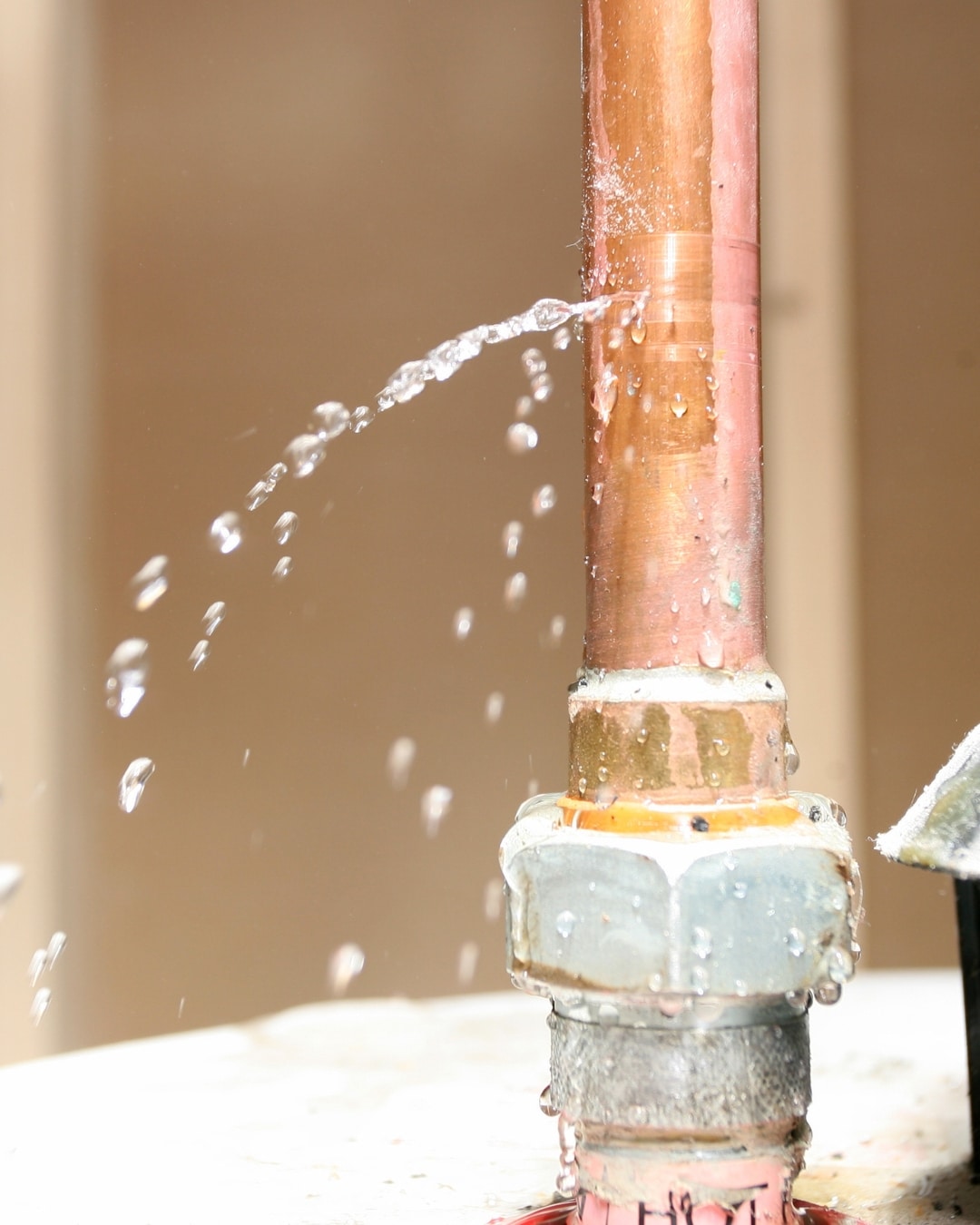
Homes from the 1980s and 1990s, which make up a significant portion of Centennial’s housing stock, were built during an era when copper was the dominant pipe material. Copper holds up well under most conditions, but it is not indefinite. Pinhole leaks in copper lines are a real phenomenon, caused by water chemistry, soil conditions, and simple age. They are also notoriously easy to miss until the damage around them becomes visible.
Newer construction brings its own considerations. Plastic supply lines and PEX tubing are common in more recent builds, and while these materials are durable, connection points and fittings are where failures tend to occur. A poorly crimped fitting or a fitting that has shifted slightly from ground movement does not announce itself. It just drips, slowly, somewhere you are not looking.
Add to this the Colorado climate, which delivers genuine freeze events in winter and significant soil movement across seasons, and you have conditions that put ongoing stress on buried lines and foundation penetrations year after year.
What a Hidden Leak Does to a Centennial Home Over Time
I want to be straightforward about this, because it is something homeowners often underestimate until they are standing in the middle of it.
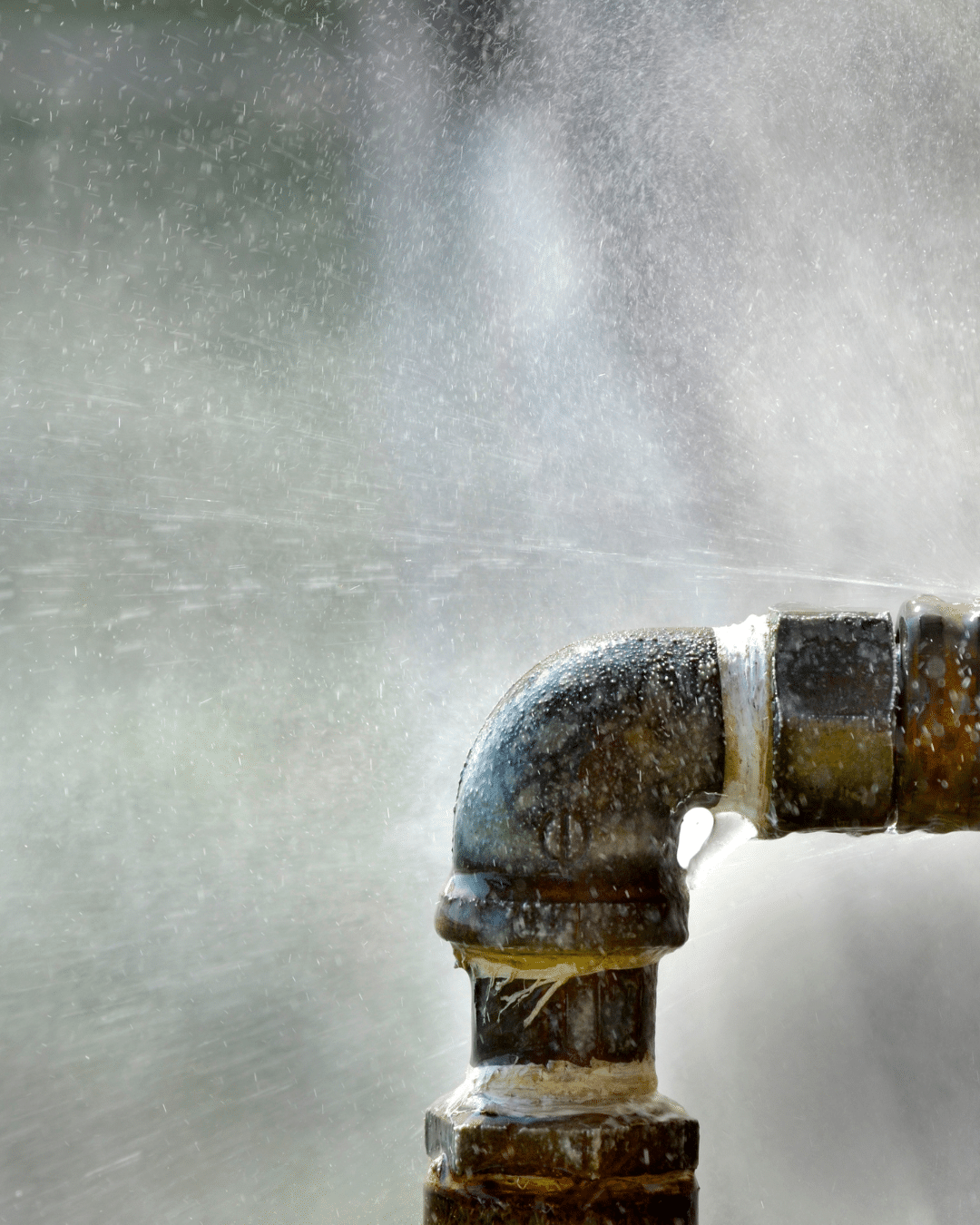
Water that escapes a pipe does not stay put. It follows the path of least resistance, which usually means it travels further from the source than anyone expects before it becomes visible. A leak inside a wall saturates the framing, the insulation, and the drywall long before you see a stain on the surface. A slab leak wicks moisture upward through concrete and into flooring materials while simultaneously eroding the soil support beneath the foundation.
The consequences compound. Prolonged moisture creates conditions where mold establishes itself, and mold does not stay contained to the area where it started. Structural wood that stays wet long enough begins to lose integrity. Flooring buckles. Subfloor materials soften. And through all of it, the water bill climbs in ways that are noticeable but easy to chalk up to something else.
The homes I worry about most are the ones where the signs have been present for a while but no one connected them to a leak. A slightly higher water bill. A musty smell in one room. A floor that feels soft in a spot near the bathroom. These things mean something. Often they mean water.
How We Actually Find Leaks in Centennial
Finding a leak precisely is as important as finding it at all. The difference between knowing a leak exists somewhere in a general area and knowing exactly which section of pipe, at which depth, in which direction from a reference point, is the difference between a targeted repair and tearing apart a significant portion of your home to find it.
We use a combination of methods depending on what we are dealing with.
01
Acoustic Detection
Pressurized water escaping a pipe makes noise, even underground. Acoustic sensors allow us to listen to the plumbing system from the surface and identify the precise location of the leak based on the sound signature it produces. For underground supply lines and buried drain connections, this is often the first tool we reach for.
02
Thermal Imaging
An infrared camera reads temperature variation. Moisture behind a wall or under a floor creates a measurable thermal difference from the surrounding dry material. This lets us map the extent of moisture intrusion and identify the source without opening anything up until we know exactly where to cut.
03
Video Pipe Inspection
A flexible camera threaded through a drain or sewer line gives a direct view of the pipe's interior condition. Cracks, separated joints, root intrusion, and significant scale buildup are all visible in real time. For drain and sewer line leaks, there is simply no better diagnostic tool.
04
Pressure Testing
When we need to isolate a specific section of plumbing to confirm whether a breach is present and where it is concentrated, pressure testing gives us measurable data. The rate and location of pressure drop tell us a great deal about what we are dealing with before we commit to any specific repair approach.
The Range of Leaks We Handle in Centennial
01
Slab Leaks
A supply or drain line running beneath your concrete slab that develops a breach is a situation that calls for experienced, precise handling. Warm spots on the floor, water sounds when nothing is running, unexplained cracks in tile or flooring, and a water bill that has climbed without explanation are all signals. Early detection changes the repair equation significantly.
02
In-Wall and Ceiling Leaks
Paint that bubbles or peels. Drywall that feels soft when you press it. A stain that appeared without any obvious source. These are the visible ends of leaks that have usually been present for longer than the homeowner realizes. Thermal imaging lets us trace the moisture back to the actual pipe failure without speculative demolition.
03
Underground Supply Line Leaks
The main supply line running from the street connection to your home runs under your yard under continuous pressure. When it fails, the water has to go somewhere. Sometimes it surfaces in the lawn. Often it simply disappears into the soil while your meter keeps spinning. Acoustic detection and pressure testing locate these precisely.
04
Sewer and Drain Line Leaks
Sewage escaping a drain line is a health issue before it is a structural one. Multiple fixtures draining slowly at the same time, gurgling sounds from floor drains, and persistent odors near lower-level drains all warrant a camera inspection. Sewer leaks near the foundation have consequences that go well beyond the plumbing itself.
05
Fixture and Connection Leaks
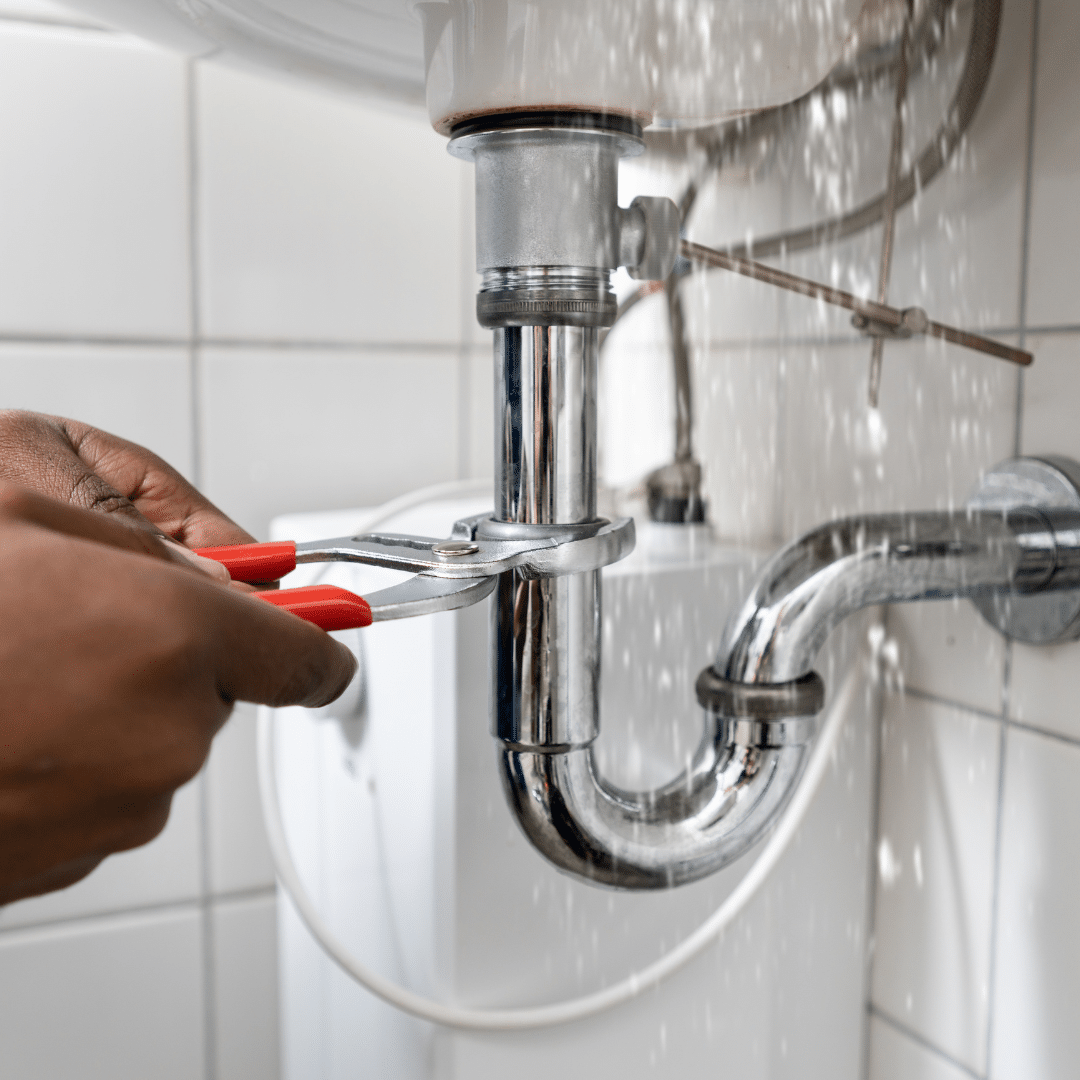
Supply lines under sinks, toilet connections, washing machine hoses, water heater fittings. These are the leaks that homeowners sometimes discover by accident and sometimes never discover at all until a cabinet is opened after months of slow water damage. We take these as seriously as anything else, because a minor connection leak has more than enough time to cause major damage.
From Detection to Completed Repair
Finding the leak is the first half of the job. Fixing it in a way that holds up is the second, and that part deserves just as much care.
Once we have located the source and assessed any secondary damage, we walk you through the repair options clearly and honestly. Sometimes the right answer is a precise spot repair. Sometimes a section of pipe has deteriorated enough that replacing a larger portion makes more long-term sense than a targeted patch. If rerouting a slab line avoids unnecessary concrete work without compromising the system, we will tell you that too.
What we will not do is push you toward the more expensive option when the simpler one will genuinely solve the problem. You will know what we found, what it will take to fix it, and what it will cost before we start.
After repairs are complete, we test the system, confirm there is no residual moisture in the affected area, and make sure everything is performing the way it should. If we notice anything else during the process that is worth your attention, we will tell you. That information belongs to you.
Frequently Asked Questions About Leak Detection in Centennial
Q1: I suspect I leak, but I cannot find any visible evidence. Is it worth calling for a detection service?
A: Absolutely, and honestly, that is the best time to call. The absence of visible damage does not mean the absence of a leak. It often just means the water has not yet made its way to a surface you can see. An unexplained increase in your water bill, the sound of water running when everything is off, or a musty smell in a specific area of your home are all worth taking seriously before they become something visible and expensive.
Q2: How much of my home will you need to open up to find the leak?
Q3: My Centennial home was built in the early 1990s. Should I be proactively thinking about leak detection?
Q4: What is the difference between a slab leak and a foundation leak?
Q5: If the leak has caused mold or structural damage, can you handle that as part of the repair?
Do Not Let It Keep Going
If something in your home is pointing toward a leak, the worst thing you can do is wait to see if it gets worse. In this business, it always does.
Defense Plumbing serves Centennial homeowners with precise, professional leak detection and repair services. We use the right tools, give you honest information, and fix what we find in a way that lasts.
Contact Defense Plumbing today to schedule your leak detection service in Centennial. The sooner we find it, the better the outcome for your home.