

Heat Pump Water Heater Services in Denver, CO
A Smarter Way to Heat Water at Home
Most homeowners do not spend much time thinking about how their water heater works. It sits in a corner of the basement or utility room, runs constantly in the background, and shows up as a line item on the electric bill every month. What a lot of people do not realize is that water heating typically accounts for a meaningful chunk of a home’s total energy consumption, and for homes with standard electric tank units, that cost is higher than it needs to be.
Heat pump water heaters change that equation in a way that is genuinely significant. I have seen the difference on utility bills firsthand, and for the right household, the efficiency gains are hard to argue with.
Defense Plumbing installs, services, and repairs heat pump water heaters for homeowners in Denver, CO who want better performance from their hot water system without sacrificing reliability.
How a Heat Pump Water Heater Works
The name can throw people off. This is not a heating system for your home. It is a water heater that uses heat pump technology to operate far more efficiently than a conventional electric resistance unit.
Here is the core idea. A standard electric water heater generates heat directly, converting electrical energy into thermal energy at roughly a one-to-one ratio. A heat pump water heater works differently. It pulls heat from the surrounding air and transfers that heat into the water in the tank. Because it is moving existing heat rather than generating new heat, it delivers significantly more energy output per unit of electricity consumed. In practical terms, a heat pump water heater can be two to three times more efficient than a standard electric tank.
The system does still have electric resistance elements as a backup for periods of high demand, which is why these units are often called hybrid electric water heaters. Under normal operating conditions, though, the heat pump does the majority of the work.
Who Benefits Most from This Technology
Heat pump water heaters are not the right fit for every home, and I would rather tell you that upfront than oversell a product. The households that get the most out of them tend to share a few characteristics.
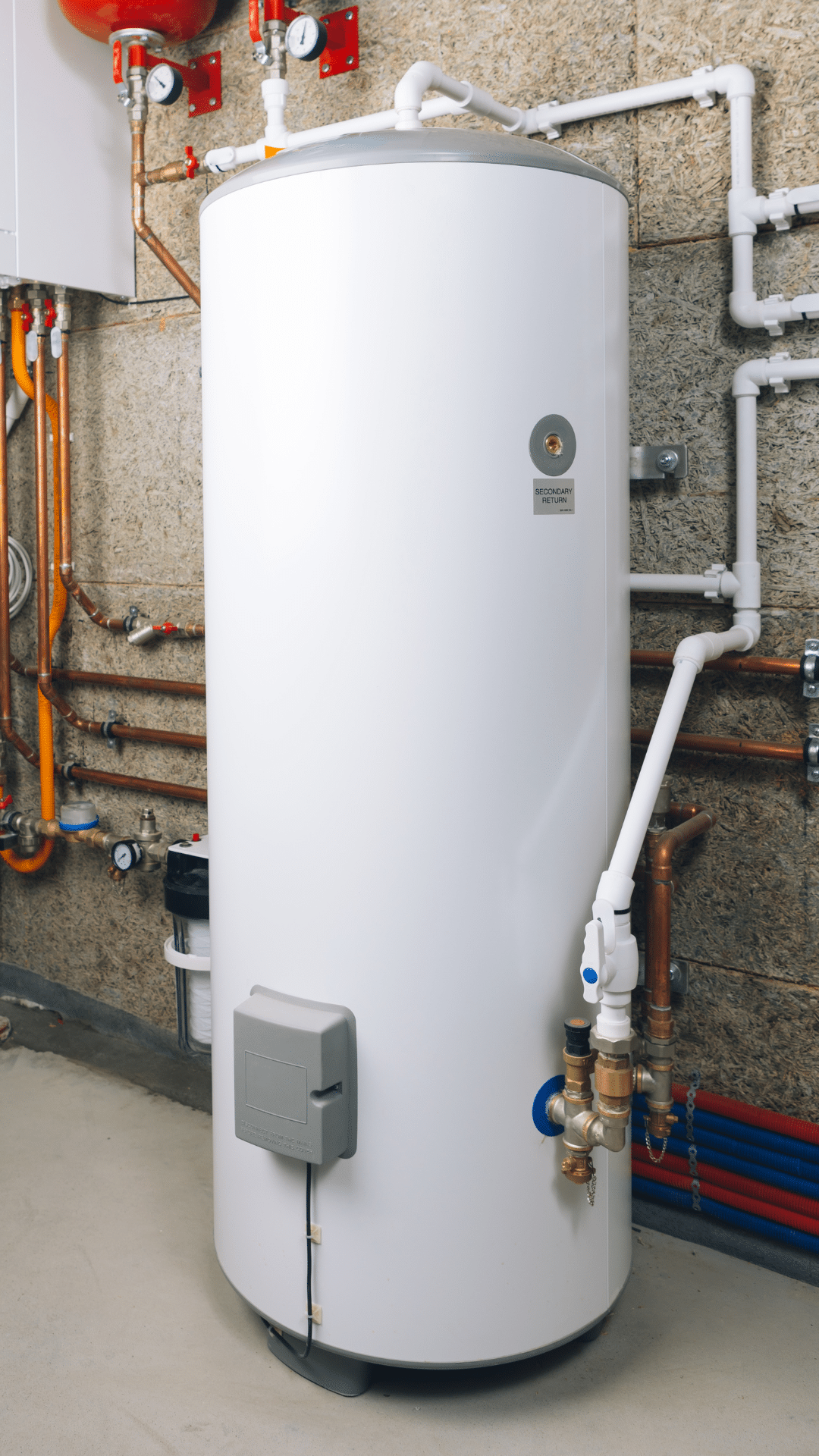
They have adequate space for installation. Heat pump units are larger than standard electric tanks, typically standing around five to six feet tall, and they need several feet of clearance around them to draw in enough air to operate efficiently. A cramped closet is not the right environment.
They have an unconditioned or semi-conditioned space available. These units pull heat from the surrounding air, which means they work best in spaces like basements, garages, and utility rooms where ambient air temperature stays within a reasonable range. They also release cooler, drier air as a byproduct, which can actually be a benefit in warmer months.
They are on a standard electric water heater setup. Switching from gas to a heat pump unit involves more significant changes than replacing one electric unit with another, though it is absolutely doable with the right planning.
If your situation checks those boxes, the efficiency gains and long-term savings are real and worth pursuing.
Services We Provide
01

Installation
A proper heat pump water heater installation involves more than setting the unit in place and connecting the water lines. The electrical circuit needs to support the unit's requirements. The space needs to be evaluated for adequate air volume and clearance. Drain provisions for condensate need to be considered. We handle all of this as part of our comprehensive installation process in Denver, CO, and make sure the system is set up to perform at its rated efficiency from day one.
We also help homeowners navigate available utility rebates. Programs like those offered through Xcel Energy can meaningfully offset the upfront cost of a heat pump water heater, and we make sure you have what you need to take advantage of them.

02

Repair
Heat pump water heaters have more components than a standard electric tank, including a compressor, refrigerant circuit, air filter, and various sensors. When something goes wrong, accurate diagnosis matters. Common issues include compressor faults, sensor errors, refrigerant problems, and element failures. We identify what is actually causing the problem and repair it correctly rather than guessing.

03

Maintenance
These systems benefit from periodic attention to keep them running efficiently. Maintenance visits include checking and cleaning the air filter, inspecting the condensate drain, testing the temperature and pressure relief valve, flushing sediment from the tank, and verifying that the heat pump components are operating within normal parameters. Staying current with maintenance protects your investment and extends the unit's service life.
The Real-World Case for Heat Pump Water Heaters
The efficiency argument is compelling on paper, but I find that homeowners respond more to what it actually means for their household.
For a family running a 50-gallon electric water heater, the shift to a heat pump unit typically produces noticeable savings on monthly electric bills. Over the course of a year, those savings add up. Over the lifespan of the unit, which runs fifteen years or more with proper maintenance, the cumulative difference is significant.
Add available utility rebates to the calculation and the payback period on the higher upfront cost becomes considerably shorter than most people expect. It is not the right choice for every situation, but when the conditions fit, it is one of the most practical efficiency upgrades a homeowner can make.
Find Out if a Heat Pump Water Heater Makes Sense for Your Home
Not every home is the right fit, but for those that are, a heat pump water heater is one of the most meaningful efficiency improvements available. If you want an honest assessment of whether it works for your situation, we are glad to take a look.
Contact Defense Plumbing today to schedule a consultation at your home in Denver, CO. We will evaluate your space, walk you through the options, and give you the information you need to make a confident decision.
Frequently Asked Questions About Heat Pump Water Heaters
How much space does a heat pump water heater actually need?
These units are taller and wider than standard electric tanks, and they need adequate air volume around them to operate efficiently. A general guideline is at least 700 to 1,000 cubic feet of surrounding space, which works out to a room roughly 10 by 10 feet with 8-foot ceilings. Garages, basements, and larger utility rooms typically work well. We assess your space during the initial consultation so you know before any equipment is purchased.
Will a heat pump water heater work in a cold Colorado basement during winter?
This is a fair concern and worth addressing honestly. Heat pump water heaters are most efficient when the surrounding air temperature is above roughly 40 degrees Fahrenheit. In a conditioned Denver, CO basement, this is generally not an issue year-round. In an unheated garage or space that gets very cold in winter, the unit will rely more heavily on its electric resistance backup elements during those months, which reduces the efficiency advantage. We factor your specific space into the recommendation.
Are there rebates available for heat pump water heaters in Colorado?
Yes, and they are worth pursuing. Utility programs, including those offered through Xcel Energy, have provided rebates for qualifying heat pump water heater installations throughout Denver, CO. Federal tax credits have also been available for eligible installations under recent energy efficiency legislation. These programs change over time, so we verify current availability when we are working with you on an installation project.
How loud are heat pump water heaters during operation?
They produce a low hum similar to a dehumidifier or window air conditioning unit, which is louder than a standard electric tank but not disruptive in most utility room or basement installations. If the unit will be installed near a bedroom or living space, it is worth discussing during the planning stage. Location choices during installation can make a practical difference.
Can a heat pump water heater replace my gas water heater?
It can, but the transition involves more planning than a like-for-like electric swap. Gas line capping, electrical circuit upgrades, and venting changes all need to be factored in. We assess the full scope of what a switch would require for your specific home and give you a clear picture of the project before you decide.
